
8 Best Accent Tables for Living Rooms in 2026
Choosing the best accent table for your living room can instantly make your space feel more polished, functional, and thoughtfully styled. More than just a place for coffee, books, or a favorite lamp, the right accent table helps balance your seating area while adding personality and practical surface space exactly where you need it.
Today’s living room accent tables range from warm wooden side tables and compact round designs to sculptural pedestal tables, practical multi-tier options, and elegant glass and metallic finishes. The key is finding a table that works with both the proportions of your furniture and the way you use your living room. Shape, height, material, and visual weight can all make a surprisingly big difference – especially in smaller spaces.
For this guide, we selected 8 stylish accent tables for different living rooms and decorating styles, including options for small spaces, extra storage, Japandi-inspired interiors, modern farmhouse rooms, and more elevated contemporary spaces. Whether you are styling a cozy apartment, refreshing a reading corner, or looking for the perfect side table beside your sofa or armchair, these picks combine style, versatility, and everyday practicality.
Affiliate Disclosure: This post contains affiliate links. I may earn a commission if you purchase through these links, at no additional cost to you. As an Amazon Associate I earn from qualifying purchases.
8 Best Accent Tables for Living Rooms in 2026
Discover stylish accent tables for small spaces, modern living rooms, and cozy reading corners. Click the image to check the latest price, details, and availability »
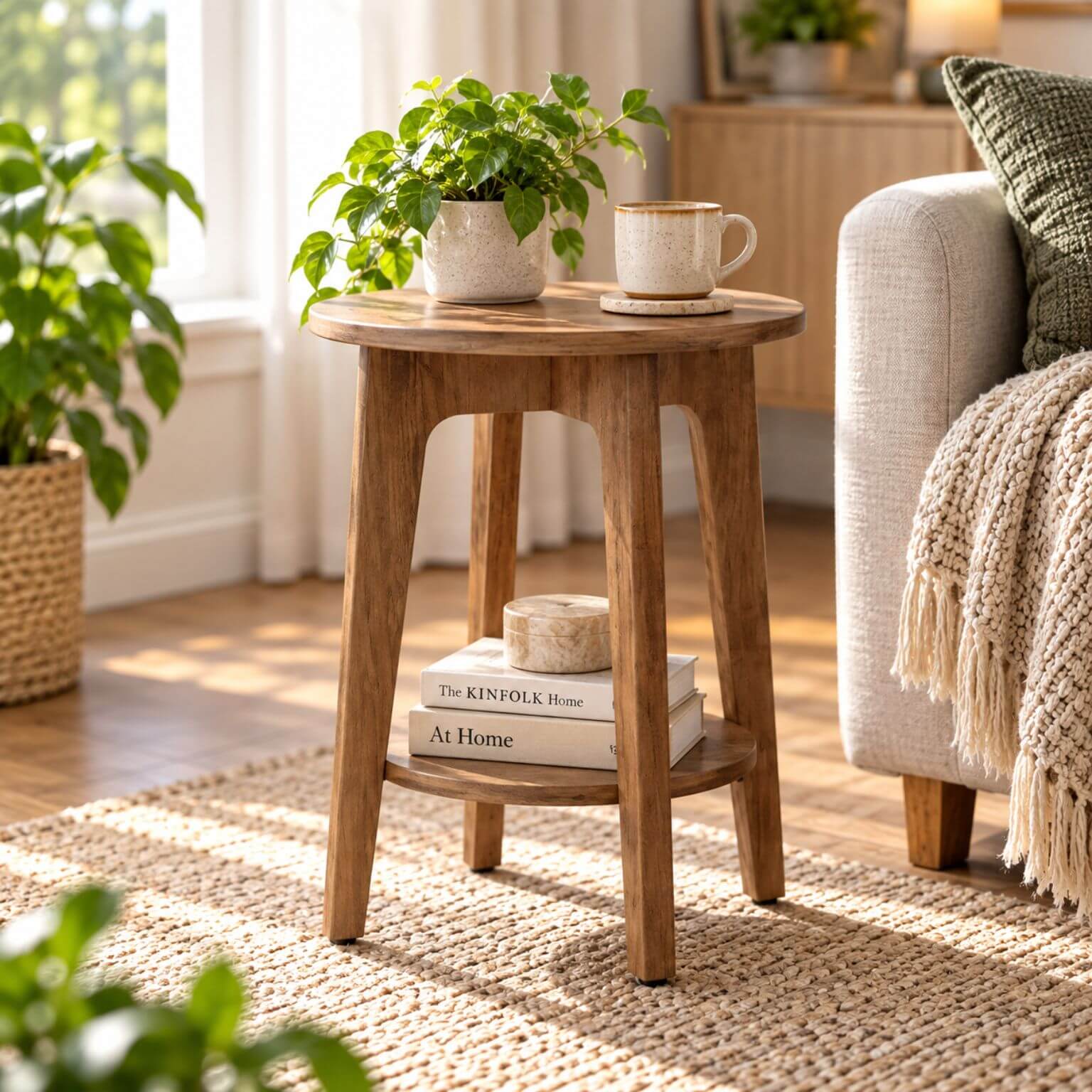
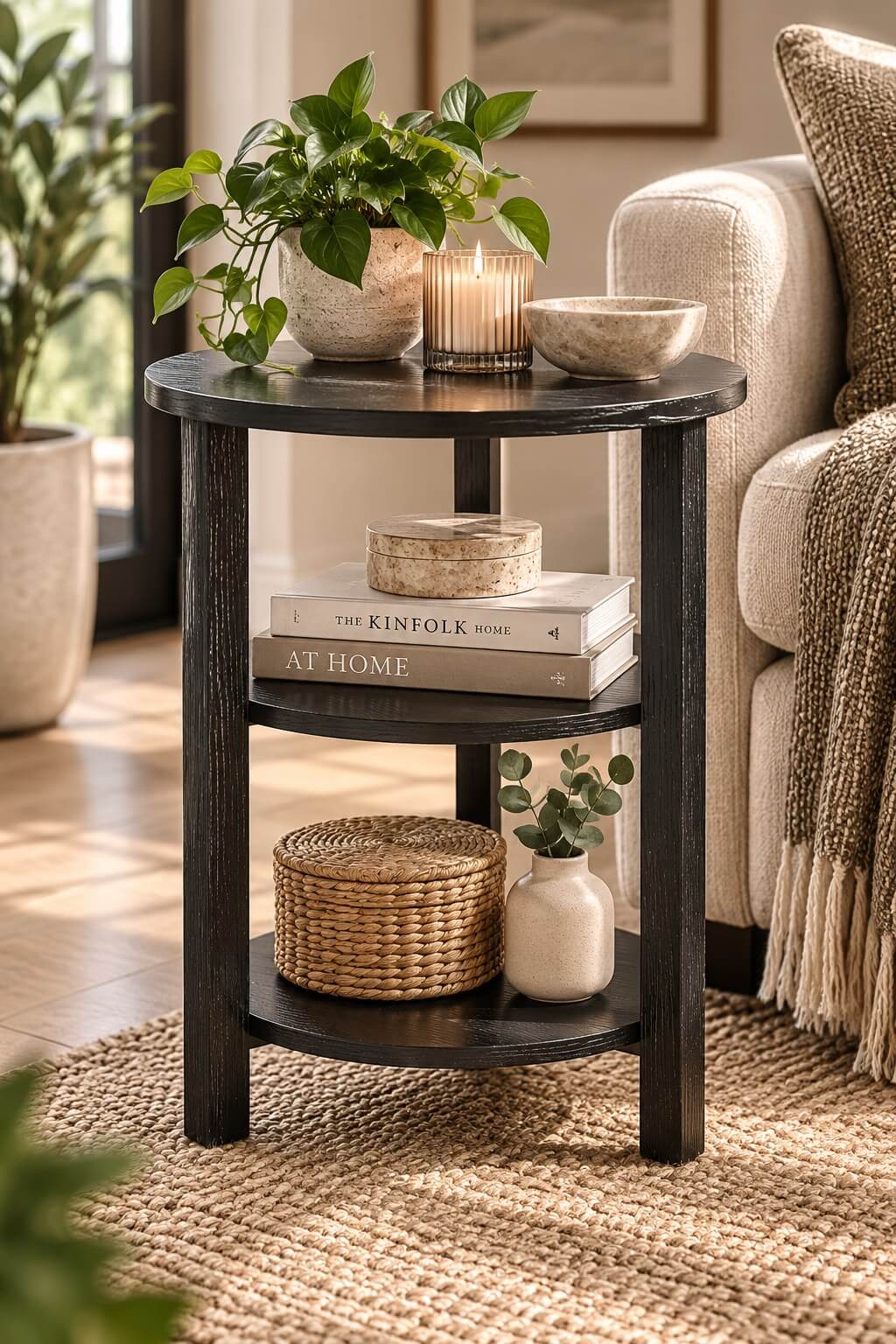


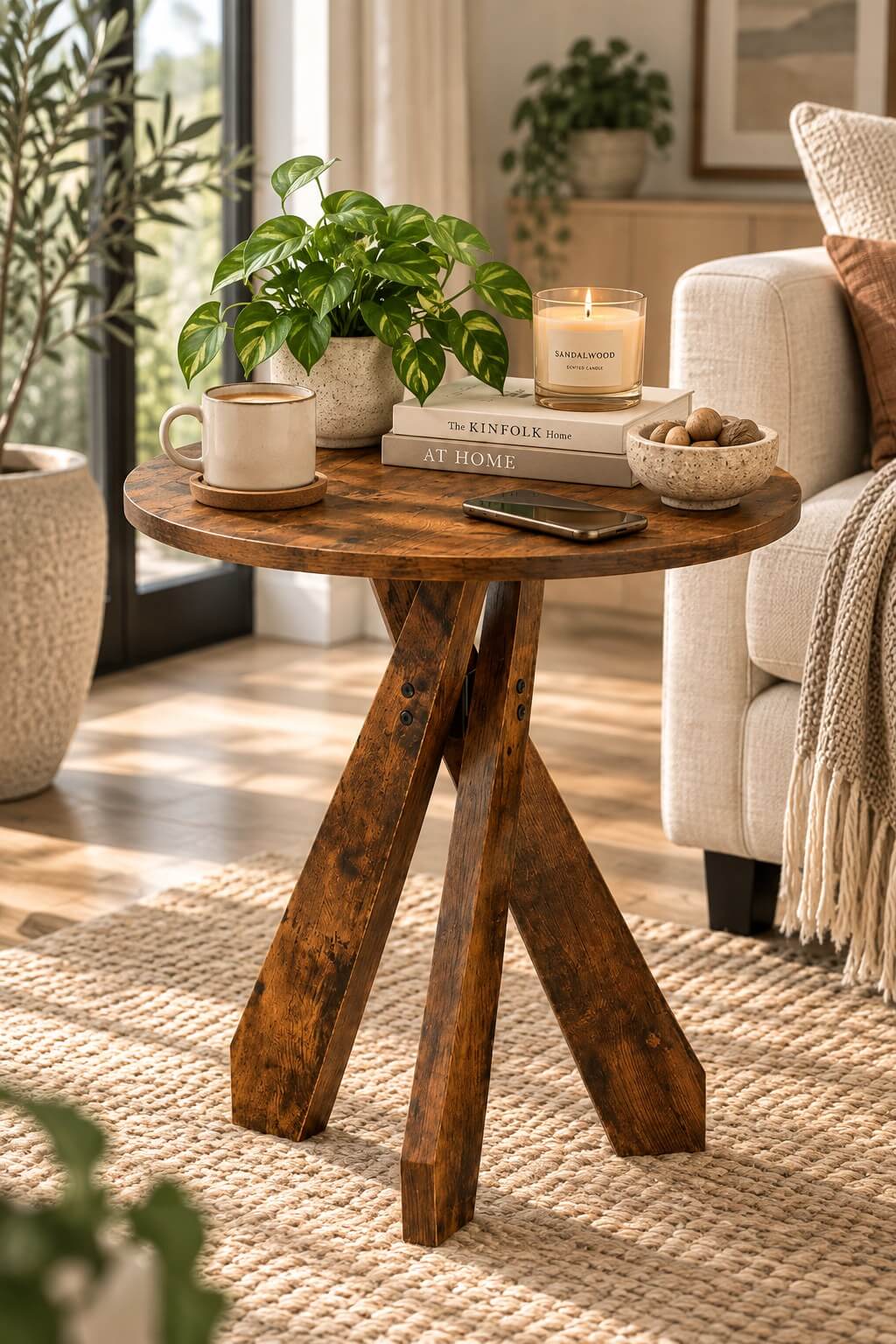
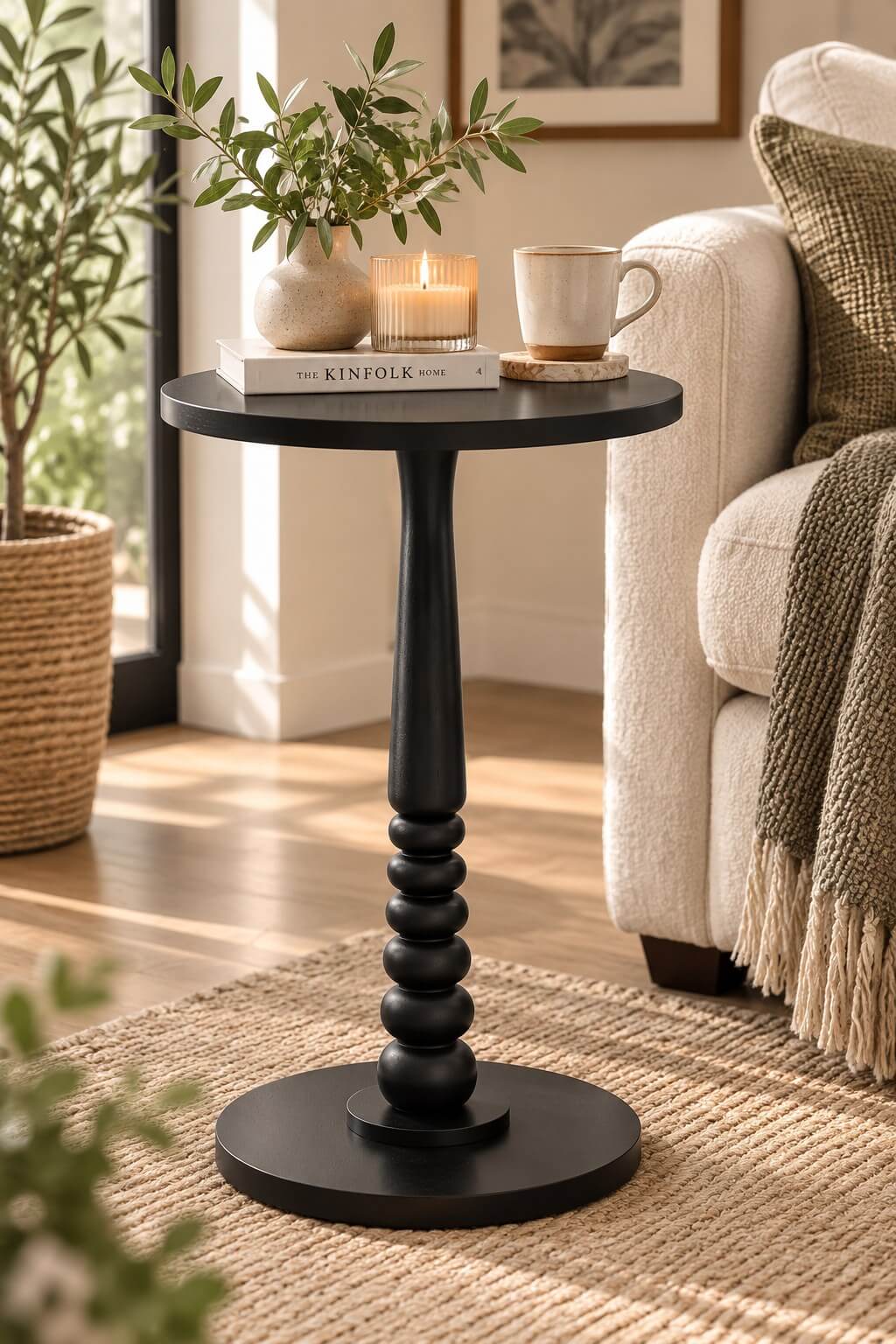
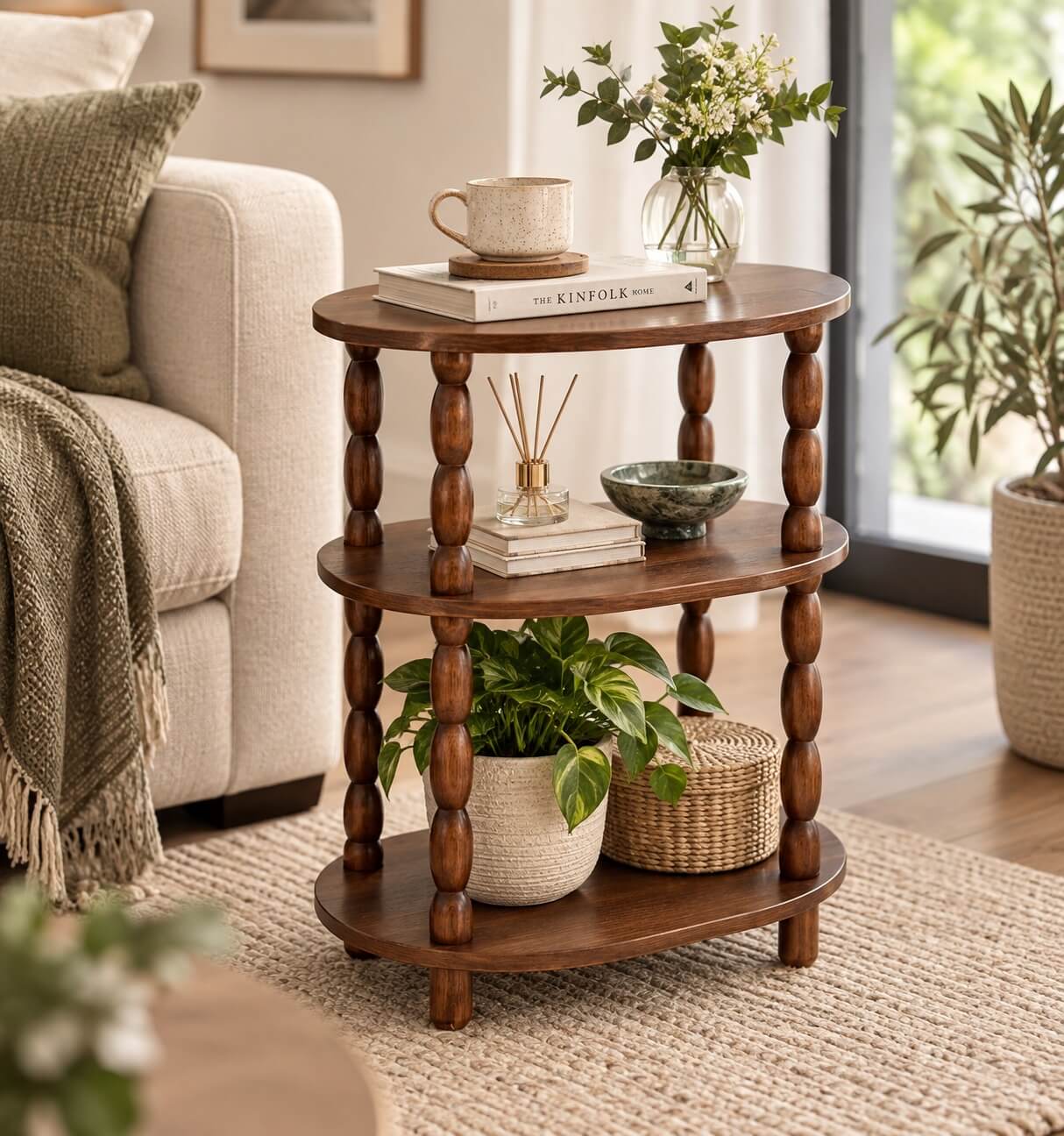
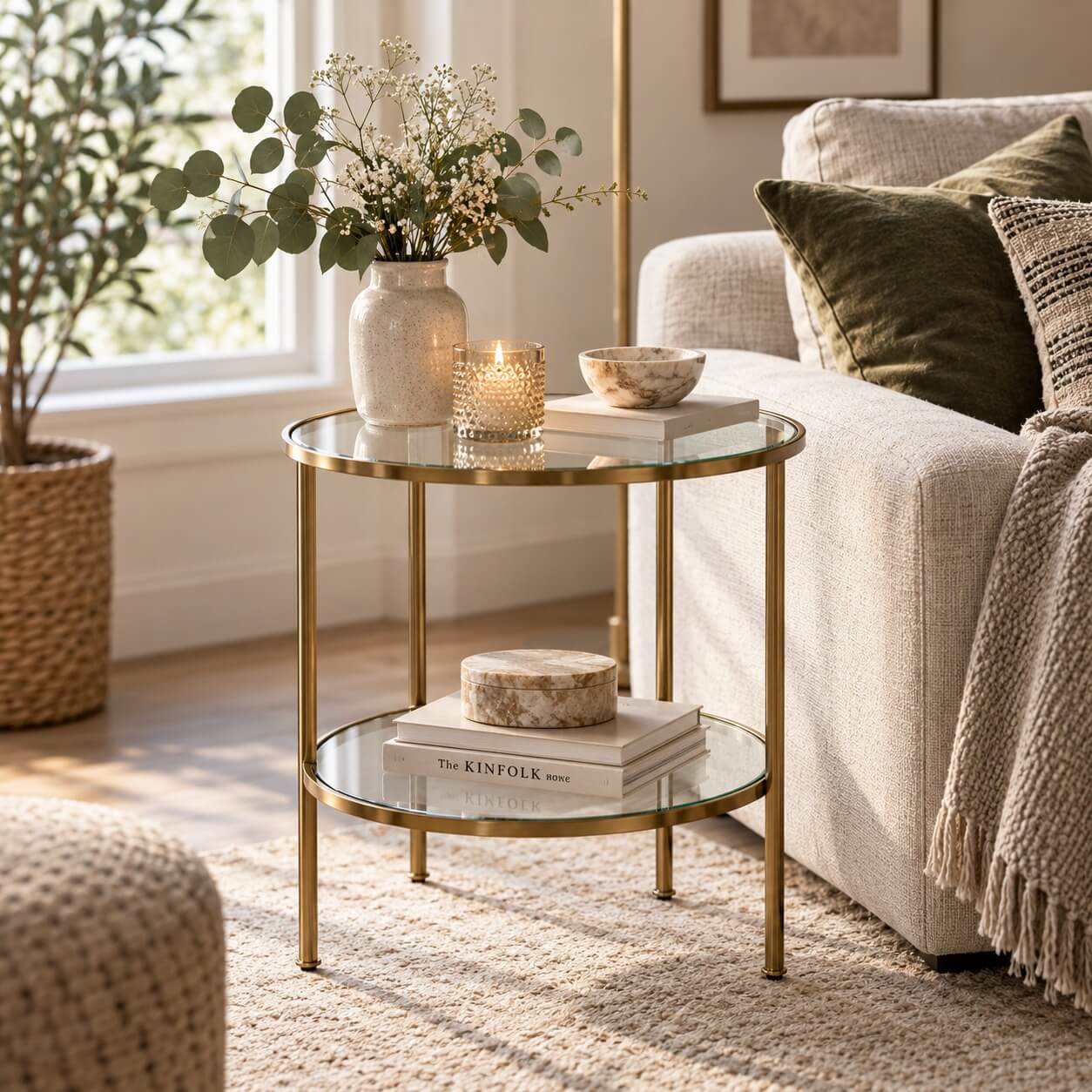
Good to know: Many accent tables are easiest to assemble when the screws are attached loosely at first and tightened fully only after all parts are aligned. Taking a little extra time during setup can help create a more stable, balanced, and polished final result.
How to Choose the Right Accent Table for Your Living Room
Choosing the right accent table for your living room is about more than filling an empty space. A well-chosen table can make the room more practical, improve visual balance, and add personality to the overall design.
Accent tables work especially well beside a sofa, armchair, reading nook, or even next to a bed. They provide an easy place for everyday essentials such as coffee cups, books, candles, lighting, or decorative objects while helping the surrounding furniture feel more connected.
Consider the Size and Proportion
Start by looking at the amount of space available around your seating area.
A compact side table is often the best choice for smaller apartments and narrow layouts, while a slightly wider or more substantial table can help anchor a larger sofa or seating arrangement.
The table should feel proportional to the furniture around it rather than appearing either too small or overly dominant.
Think About the Shape
Shape can have a surprisingly large impact on how a room feels.
Round accent tables soften interiors with lots of straight lines and make it easier to move around furniture. They are particularly useful in compact living rooms because there are no sharp corners projecting into walkways.
Square and rectangular tables create a more structured look and can offer slightly more usable surface space.
Sculptural pedestal tables are another option when you want the accent table to act as a decorative feature as well as a practical piece of furniture.
Choose a Material That Suits Your Interior
Materials and finishes can completely change the character of an accent table.
Warm wood tones create a cozy and timeless atmosphere and work beautifully in Scandinavian, farmhouse, Japandi, rustic, and mid-century-inspired interiors.
Glass and metallic finishes can make a room feel lighter and more elegant. Brass or gold-toned details, in particular, can add a subtle sense of luxury without making the space feel overly formal.
Sculptural shapes and textured finishes are ideal when you want the table itself to become part of the room’s visual interest.
Decide How Much Storage You Need
Not every accent table needs storage, but an additional shelf can be extremely useful.
A multi-tier accent table can provide room for books, magazines, baskets, or decorative objects while keeping the tabletop free for everyday use.
If you prefer a more minimalist interior, a simple drink table or pedestal design may be a better choice because it keeps the room feeling open and uncluttered.
Ultimately, the best accent table is one that works naturally with your furniture, fits the available space, and supports the way you actually use your living room.
Frequently Asked Questions About Accent Tables
What Type of Accent Table Works Best in a Small Living Room?
For a small living room, compact round tables are often one of the easiest options to work with.
Their curved shape helps improve movement around furniture and can make a tight seating area feel less crowded. Pedestal tables, drink tables, and narrow side tables are also useful when floor space is limited.
Tables with slim legs or open bases tend to feel visually lighter, which can help a compact room appear more spacious.
If additional storage is important, look for a small two- or three-tier table rather than a wider piece of furniture.
How Tall Should an Accent Table Be?
The ideal accent table height depends mainly on the sofa or chair beside it.
As a general rule, the tabletop should sit close to the height of the armrest or slightly below it. This makes the table comfortable to reach while keeping the proportions visually balanced.
Many living room side tables are approximately 20 to 24 inches tall (about 50 to 61 cm), although the right height ultimately depends on your seating.
Taller drink tables can also work particularly well in small spaces because they provide a convenient surface without requiring much floor area.
Are Round Accent Tables Better Than Square Ones?
Neither shape is automatically better. The best option depends on the layout and style of your room.
Round accent tables create softer lines and are particularly useful in smaller spaces or rooms with many rectangular elements. They work beautifully with Scandinavian, Japandi, organic modern, and contemporary interiors.
Square and rectangular tables tend to create a more structured look and often provide more usable tabletop space.
A simple design rule is to look at the shapes already present in your room. If the space contains many straight lines and sharp corners, a round table can introduce softness. If the room already feels very organic or flowing, a more structured table may create useful contrast.
What Material Is Best for an Accent Table?
The best material for an accent table depends on both your interior style and how you plan to use the table.
Wood is one of the most versatile choices because it introduces warmth and natural texture. It works particularly well in Scandinavian, farmhouse, Japandi, rustic, and mid-century-inspired interiors.
Glass can make a room feel lighter because it does not visually block the surrounding space. Combined with brass or gold-toned metal, it can also create a more refined or Art Deco-inspired look.
Metal tables tend to feel contemporary and durable, while sculptural pedestal designs can create a stronger decorative statement.
For households where practicality matters most, a sturdy multi-tier table with additional shelf space can be particularly useful.
Can an Accent Table Make a Living Room Look More Expensive?
Yes. A carefully chosen accent table can make a living room feel noticeably more polished and intentional.
Small furniture pieces often act like finishing details in interior design. Proportion, materials, and shape can therefore have a surprisingly strong influence on the overall atmosphere.
Sculptural silhouettes, warm wood tones, glass surfaces, brass details, curved edges, and refined finishes can all create a more elevated look.
The key is not necessarily choosing the most expensive table. A simple design that works well with the scale and style of the surrounding furniture can often look more sophisticated than a larger or more elaborate piece.
Where Should You Place an Accent Table in a Living Room?
The most common position is beside a sofa or armchair, where the table can easily be reached while seated.
Accent tables can also work between two chairs, next to a reading chair, beside a window, or in an otherwise unused corner.
In larger living rooms, a decorative pedestal table can also be used as a small styling surface for a lamp, vase, plant, or sculptural object.
Try to leave enough room around the table for people to move comfortably through the space.
Final Thoughts: Finding the Best Accent Table for Your Living Room
Choosing the best accent table for your living room comes down to finding the right balance between style, proportion, and everyday function.
A thoughtfully chosen table can provide a convenient surface for coffee, books, lighting, and decorative objects while also adding warmth, structure, and personality to the room.
Whether you prefer warm wood, a compact round table, practical multi-tier storage, a sculptural pedestal design, or elegant glass and metallic details, choose a table that feels naturally connected to the furniture around it.
The best accent table is ultimately the one that makes your living room both more useful and more beautifully put together.
Explore the accent tables above and find the one that fits your living room best »